Inside this Article
- Quick Answer: Is Salt Water Good or Bad for Hair?
- What Salt Water Actually Does to Your Hair
- Benefits of Salt Water for Hair
- Downsides of Salt Water for Hair
- Is Salt Water Good for Different Hair Types?
- Fine Hair
- Wavy Hair
- Curly and Coily Hair
- Colour-Treated or Chemically Treated Hair
- Dry, Damaged, or High-Porosity Hair
- How to Protect Your Hair Before Salt Water
- What to Do After Swimming in Salt Water
- Product Recommendations
- DIY Salt Water Spray: Should You Try It?
- Getting Beachy Waves Without Ocean Damage
- Final Verdict: Is Salt Water Good for Your Hair?
- Summary
- Frequently Asked Questions
Quick Answer: Is Salt Water Good or Bad for Hair?

Salt water isn’t strictly good or bad for your hair; it really depends on your hair type, how often you swim, and how you care for your hair afterward. 🌊
For some, salt water is a styling win. It adds texture, volume, cuts oiliness, and helps create those effortless beachy waves. Fine hair, especially, can look fuller and more textured after a dip. 💁✨
But if your hair is curly, coily, color-treated, or already dry, salt water can pull moisture out, leaving it drier and harder to manage. 💧
My advice? Enjoy the ocean, but don’t treat salt water like a hair treatment. Rinse your hair after swimming and follow up with some moisture to keep your hair healthy and happy. 🌊✨
What Salt Water Actually Does to Your Hair
Your hair isn’t just a simple strand; it’s got layers, like shingles on a roof. When those layers lie flat, your hair looks smooth and shiny ✨. But when they lift, it gets rough, frizzy, and easier to damage.
Salt water isn’t just salty water; it’s packed with minerals like magnesium, calcium, and potassium that can freshen your scalp and help remove excess oil 🧂. The catch? Salt draws moisture out of your hair, especially as it dries 💧.
Salt Adds Texture and Grip
That’s why beach hair feels so good: salt gives your hair texture and grip, making waves pop and fine hair look fuller 🌊. It’s like a natural sea salt spray.
Salt Makes Hair Look Fuller
Ever notice your hair looks thicker after a swim? Salt temporarily plumps hair strands, giving fine or limp hair more volume 💁. But it’s just temporary, like fluffing a pillow.
Salt Can Dry Out Hair
Here’s the downside: salt dries out your hair, leaving it stiff and brittle once the water’s gone. Too much salt water exposure can make hair dry and in need of some serious hydration 🚿.
Sun, Wind, and Salt - A Rough Combo
The beach isn’t just salt water; it’s sun, wind, heat, and sweat too ☀️💨. All that can rough up your hair cuticle, causing frizz and breakage. Color-treated hair fades faster with salt and sun combined 🎨.
So, salt water is great for that beachy texture, but don’t treat it like a hair treatment. Enjoy the look, but keep your hair hydrated afterward 💧🌊✨
Benefits of Salt Water for Hair

Salt water isn’t all bad! If you’re into that messy, beachy look 🌊, it’s got some real perks.
Beachy Waves and Volume 🌟
Salt water instantly adds texture and volume, making hair look fuller and thicker. It’s perfect if your hair falls flat during the day or if you want those effortless beachy waves.
Fresh, Clean Scalp 🧴
After a swim, salt water helps remove extra oil, sweat, and buildup, leaving your scalp feeling fresh. It can even help remove dead skin cells, but don’t overdo it; too much salt can dry out your scalp.
Oil Control at the Roots ✨
If you struggle with greasy roots, salt water can soak up excess oil and give your roots a lift. Fine, straight, and oily hair types usually benefit the most, but balance is key to avoid an irritated scalp.
Better Styling Grip 💪
Salt water adds grip and texture, helping styles like braids, waves, and messy buns hold better without feeling stiff. It’s like giving your hair a little extra traction. 🌊✨
Downsides of Salt Water for Hair

Now, here’s the part your dry ends will thank you for. 💧✨
Dryness and Frizz 🌬️
Salt water can suck the moisture right out of your hair, leaving it dry and frizzy. If your hair struggles to stay hydrated, this effect hits even harder.
Curly and coily hair types are especially sensitive since natural oils have a tougher time traveling down the hair strands. Add salt, sun, and wind, and those soft curls can turn dry, tangled, and tough to manage.
Breakage and Rough Texture 💔
When hair loses moisture, it gets fragile and snaps more easily during brushing or styling.
Salt crystals can also make strands rougher, causing more tangles and breakage, especially if your hair is already damaged or treated.
Color Fading and Dullness 🎨
If you color your hair, salt water can speed up fading and dullness.
When the hair cuticle begins to lift or roughen, color slips out faster. That’s why blondes, highlights, reds, and fashion colors fade quicker after beach days.
Porous, color-treated hair soaks up salt water more, which means more dryness and color loss.
Scalp Irritation 🚨
A little salt water can feel refreshing, but too much can leave your scalp itchy, tight, or irritated.
If you have dandruff, eczema, psoriasis, or sensitive skin, salt water might make things worse. Your scalp will usually let you know fast if it’s unhappy.
Protein Stress Over Time 🧬
Hair strength comes from keratin (protein), and repeated salt water exposure, especially with sun and rough handling, can weaken your hair's protein structure over time.
One beach day won’t hurt, but frequent salt water without care can leave your hair drier, weaker, and more prone to breakage.
Is Salt Water Good for Different Hair Types?

Salt water affects every hair type differently, kind of like a party guest who vibes well with some and not so much with others. 🎉
Fine Hair
Fine hair usually digs salt water in small amounts. It adds volume, texture, and grip without needing heavy products. For fine, straight, or oily hair, salt helps cut oil and gives a fuller look. Just don’t overdo it, or you might end up with dry, brittle hair strands. 💧
Wavy Hair
Wavy hair is salt water’s biggest fan. It amps up natural waves, adds texture, and makes hair beachy waves pop. 🌊 Just remember to moisturize afterward so your waves stay soft, not crunchy. ✨
Curly and Coily Hair
Curly and coily hair can get cool definition from salt water but needs extra TLC. Since it’s naturally drier and more porous, salt can cause frizz, tangles, and breakage if you’re not careful. Treat salt water as an occasional styling boost pre-soak, use leave-in conditioner or oil, and rinse + deep condition after. 💆
Colour-Treated or Chemically Treated Hair
If your hair is coloured or chemically treated, be cautious. Salt water dries hair faster and fades color quicker, especially blondes and vivid shades. Protect hair with leave-in products before swimming and rinse + condition afterward. 🎨
Dry, Damaged, or High-Porosity Hair
If your hair’s already dry, damaged, or high-porosity, salt water can be more harmful than helpful. It speeds up moisture loss, so protect and hydrate your hair before and after saltwater exposure. 💔
How to Protect Your Hair Before Salt Water

Prevention is way easier than fixing damage; your hair will thank you later. 💡
Rinse Hair with Fresh Water First
Before jumping into the ocean, soak your hair with clean fresh water. This fills your hair strands so they don’t soak up as much salt water.🚿
Think of your hair like a sponge: if it’s already wet, it won’t absorb as much salt.
Use a Leave-In Conditioner
Slap on some leave-in conditioner on damp hair before swimming, focusing on the ends and mid-lengths. It adds a protective layer and helps prevent tangles, especially if your hair is curly, color-treated, or dry.🧴
Add Hair Oil for Extra Protection 🌿
A little lightweight oil like argan or coconut oil seals your hair and locks in moisture, stopping salt water from drying out your strands. Just use a small amount, especially if your hair is fine.
Tie It Up or Wear a Swim Cap
Keep your hair from tangling by putting it in a loose braid, bun, or wearing a swim cap. Braids are great for beach days because they stop your hair from getting all knotted in the wind.🧢
Pro Tip: Be Gentle with Wet Hair
Don’t brush salty, wet hair roughly; that’s when breakage happens. Start with your fingers, then use a wide-tooth comb with conditioner if needed. Gentle handling is key for maintaining healthy hair.🤲
What to Do After Swimming in Salt Water

Post-swim care is just as important as the swim itself; this is when you either save your hair or end up with dryness and tangles. 💧✨
Rinse ASAP 🚿
Right after you get out of the ocean, rinse your hair with fresh water to wash away salt and stop it from drying out your strands.
No shower? Bottled water works in a pinch. 💧
Shampoo Smart
You don’t need a heavy-duty shampoo every time. If your hair is dry, curly, coily, or color-treated, go for a moisturizing shampoo most days.🧴
Use a clarifying shampoo only when your hair feels weighed down or has buildup from salt or products.
Always Condition
Conditioner is a must after salt water. It smooths the hair cuticle, fights tangles, and brings softness back, focusing on mid-lengths and ends where dryness hits hardest.💆
Deep Condition When Needed
Saltwater days call for a good hair mask. Deep conditioning helps restore moisture and manageability, especially for color-treated, curly, or damaged hair. Even 5–10 minutes makes a difference.🧖
Detangle Gently
After conditioning, detangle from the ends up to avoid breakage. Be patient and gentle; it really helps keep your hair healthy.🪮
Product Recommendations

If you want effortless beachy waves 🌊 without the ocean, sea salt sprays exist for that purpose. They add texture, volume, and that cool, lived-in look.
-
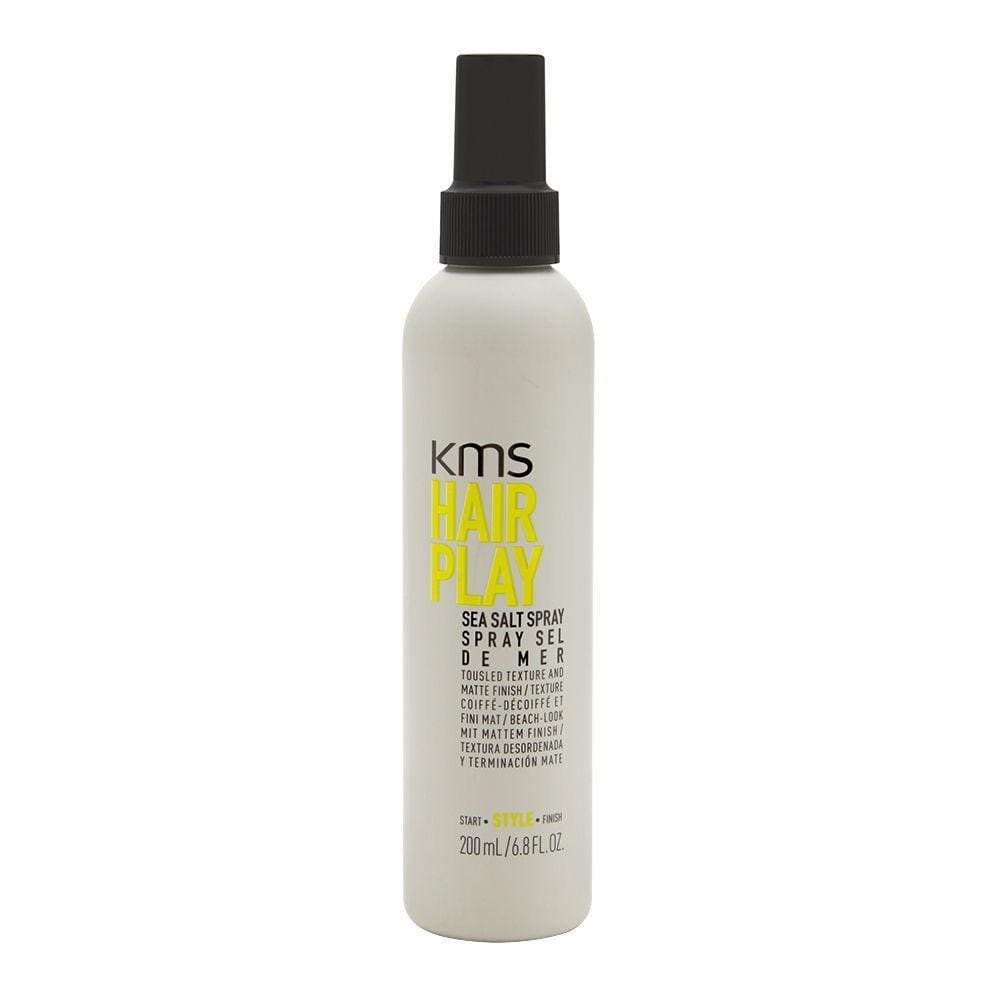
KMS Hair Play Sea Salt Spray – for gritty hair texture and volume with a matte finish ✨
-
DESIGNME Puff.ME Sea Salt Spray – pumps up volume and defines waves 💨
-
Verb Sea Spray – a softer, natural movement without crunch 🌿
After a day in the saltwater, your hair can feel weighed down with buildup. Clarifying shampoos help clear out high salt concentration and product residue.
-
Wella Liquid Hair Clarifying Shampoo – great for deep cleansing 🧼
-
Joico K-PAK Clarifying Shampoo – perfect for heavy buildup or swimmer’s hair 🏊
To keep your hair soft and manageable post-swim, a leave-in conditioner is a must.
-
AG Hair Fast Food Leave-On Conditioner – smooths, detangles, and controls frizz without weighing hair down 💆
If your hair feels dry or damaged after saltwater, a hydrating mask is key.
-
Moroccanoil Intense Hydrating Mask – for medium to thick hair needing moisture 💧
-
Moroccanoil Weightless Hydrating Mask – lightweight hydration for fine hair 🌬️
-
Moroccanoil Restorative Hair Mask – repairs bleached or chemically treated hair 🎨
These picks help protect and restore your hair health after salt water exposure.
DIY Salt Water Spray: Should You Try It?

You can totally try making a DIY salt water spray, but be careful. Homemade mixes usually lack the balancing ingredients found in professional products, so your hair might end up feeling dry, stiff, or crunchy. 🌿
A simple DIY spray is just water, a pinch of sea salt, and a bit of leave-in conditioner to soften it up. 💧
But honestly, if your hair is color-treated, dry, curly, or damaged, a store-bought sea salt spray with conditioning ingredients is a safer bet. 🛡️
DIY is fun to experiment with, but crispy ends? Not so much. 😅
Getting Beachy Waves Without Ocean Damage
Good news: you don’t need to hit the ocean to get those perfect beach waves 🌊. Sea salt sprays and texture sprays can give you that laid-back, beachy texture without the damage. Just spritz on damp hair, scrunch from mid-lengths to ends, and air dry or use a diffuser. Avoid the roots if your scalp gets dry or irritated. If your hair’s dry, curly, or coily, skip the salt sprays and go for curl creams or wave enhancers instead. That way, you get the beachy vibe without drying out your hair. ✨🌴
Final Verdict: Is Salt Water Good for Your Hair?

Salt water can be great for adding temporary texture, volume, and that effortless beachy vibe 🌊. But too much, or leaving it in without care, especially on dry or damaged hair, can cause trouble.⚠️
Here’s the simple recipe:
Salt water + moderation + fresh water rinse 🚿 + leave-in conditioner or hair oil 🧴 + deep conditioning 🧖= happy, healthy beach hair 😍
Skip the rinse and moisture, add sun ☀️, and you’re headed for frizz city 🌪️.
Think of salt water as a styling bonus, not a haircare routine. Use it smart, protect your hair, and enjoy the best of both worlds without the dryness and damage. 🌊✨
Summary
Salt water can totally give your hair that chill, beachy vibe we all secretly crave, but it’s not some kind of magic fix. It’s best to think of it as a fun styling boost now and then, not something to rely on every day. If your hair is fine, straight, oily, or wavy, you’ll probably love the extra texture, volume, and that fresh, clean scalp feel salt water brings. But if you’ve got curly, coily, color-treated, bleached, or dry hair, you can still enjoy it; you just gotta be more careful. Make sure to protect your hair before swimming and lock in moisture afterward. Basically, treat salt water like a cool summer accessory: use it, style with it, have fun… but don’t let it take over your hair care routine.
Frequently Asked Questions
Is salt water good for hair growth?
Not really. Salt water doesn’t actually help or hinder healthy hair growth. It might make your scalp feel cleaner or give a little exfoliation, but healthy hair growth depends more on things like genetics, scalp health, diet, and hormones. If you’re seeing thinning or shedding, it’s best to check your scalp and hair needs with a dermatologist.
Does salt water damage your hair?
It can, but mostly not if you’re careful. Occasional salt water is cool for adding texture and volume, but too much can dry out your hair, cause tangles, fade color, and lead to breakage. To keep your hair healthy, rinse before and after swimming, and use leave-in conditioner plus deep conditioning treatments to protect your hair and scalp health.
Is ocean water good for curly hair?
It can give your curls a nice boost for a little while, but curly and coily hair dries out fast. Before swimming, wet your hair with fresh water and use a leave-in conditioner or oil. Afterward, rinse and moisturize to keep your curls healthy and happy.
Should you wash your hair after swimming in salt water?
Definitely rinse your hair with fresh water right after swimming. If it feels dry, rough, or tangled, wash and condition within a few hours. Clarifying shampoo is fine occasionally, but avoid overusing it, especially on dry or curly hair.
Can I leave salt water in my hair overnight?
Better to skip leaving salt water in your hair overnight. It can dry out your strands, cause stiffness, tangles, and frizz. Plus, salt crystals can rough up your hair shaft and lead to breakage. Rinse it out and add some moisture to keep your hair healthy.