


Inside this Article:
- What Is Hair Dye Shampoo?
- Hair Dye Shampoo vs. Regular Hair Dye
- Hair Dye Shampoo vs. Color-Safe Shampoo
- How Does Hair Dye Shampoo Work?
- Types of Hair Dye Shampoo
- Who Should Use Hair Dye Shampoo?
- Benefits of Hair Dye Shampoo
- Things to Know Before Using Hair Dye Shampoo
- How to Choose the Right Hair Dye Shampoo
- How to Use Hair Dye Shampoo
- Best Hair Dye Shampoos
- Common Mistakes to Avoid
- Hair Dye Shampoo Maintenance Tips
- Summary
-
Frequently Asked Questions
- Does hair dye shampoo really work?
- How do I know if the shampoo worked?
- Can hair dye shampoo cover gray hair?
- How long does hair dye shampoo last?
- Is hair dye shampoo damaging?
- Can I use hair dye shampoo on bleached hair?
- Can I use hair dye shampoo instead of regular shampoo?
- Should I use conditioner after hair dye shampoo?
What Is Hair Dye Shampoo?
Hair dye shampoo, also called color-depositing shampoo, is basically shampoo with pigment. It cleans your hair while adding or adjusting color at the same time.✨
Some formulas are made to show visible color, like red hair, pink, purple, blue, light brown, dark brown, or black. Others are more about tone correction. For example:
-
Purple shampoo helps cancel out yellow tones in blonde, bleached, gray, silver, or white hair.💜
-
Blue pigments help reduce orange brassiness in brunettes.🔵
-
Green shampoo helps tone down red or reddish color in dark brown hair.💚
-
Brown or black dye shampoo can help blend grays and refresh darker shades.🖤
Think of it like tinted lip balm, but for your hair. It’s not always intense, but it gives your shade a nice boost.💄
Hair Dye Shampoo vs. Regular Hair Dye

Regular hair dye goes deeper. Traditional permanent hair color usually uses ammonia and peroxide to open the cuticle and push color into the hair shaft. That’s why it lasts longer, but it can also leave hair dry, brittle, or more prone to breakage, especially if your hair is already damaged.💥
Hair dye shampoo is more chill. It usually works closer to the surface and deposits color while you wash. That means the result is softer, more gradual, and easier to maintain.🧴
So, if you want long-lasting color or a dramatic transformation, traditional dye is usually better. But if you want to maintain color, refresh tone, or soften grays between salon visits, color-depositing shampoos are a great low-effort option.✨
Hair Dye Shampoo vs. Color-Safe Shampoo

Here’s the simple version:
Color-safe shampoo protects your color.🛡️
Hair dye shampoo adds or adjusts your color.🎨
A color-safe shampoo is like a bodyguard for your hair color.🕵️ A color-depositing shampoo is more like a mini touch-up artist that steps in when your shade starts looking dull.✨
Personally, I like the combo: use a gentle regular shampoo or color-safe shampoo most wash days, then use hair dye shampoo when your color needs help.💆
How Does Hair Dye Shampoo Work?
Hair dye shampoo works by depositing pigment onto the outside of the hair. It doesn’t usually change the inside of the strand the way permanent dye does.🎨
The more porous your hair is, the more pigment it grabs. So if you have bleached hair, highlighted hair, dry hair, damaged hair, or very light hair, the color may show up faster and stronger. On darker, healthier hair, the result can be more subtle.✨
This is why one wash might be enough for a small tone refresh, but gray blending or darker shades may take a few washes to really show.⏳
Also, because the pigment sits more on the surface, it fades with each wash. Results from many color-depositing shampoos usually last a few washes, while stronger semi-permanent color products may last several weeks or even up to six weeks, depending on the formula, your hair type, and your routine.🧴
Types of Hair Dye Shampoo
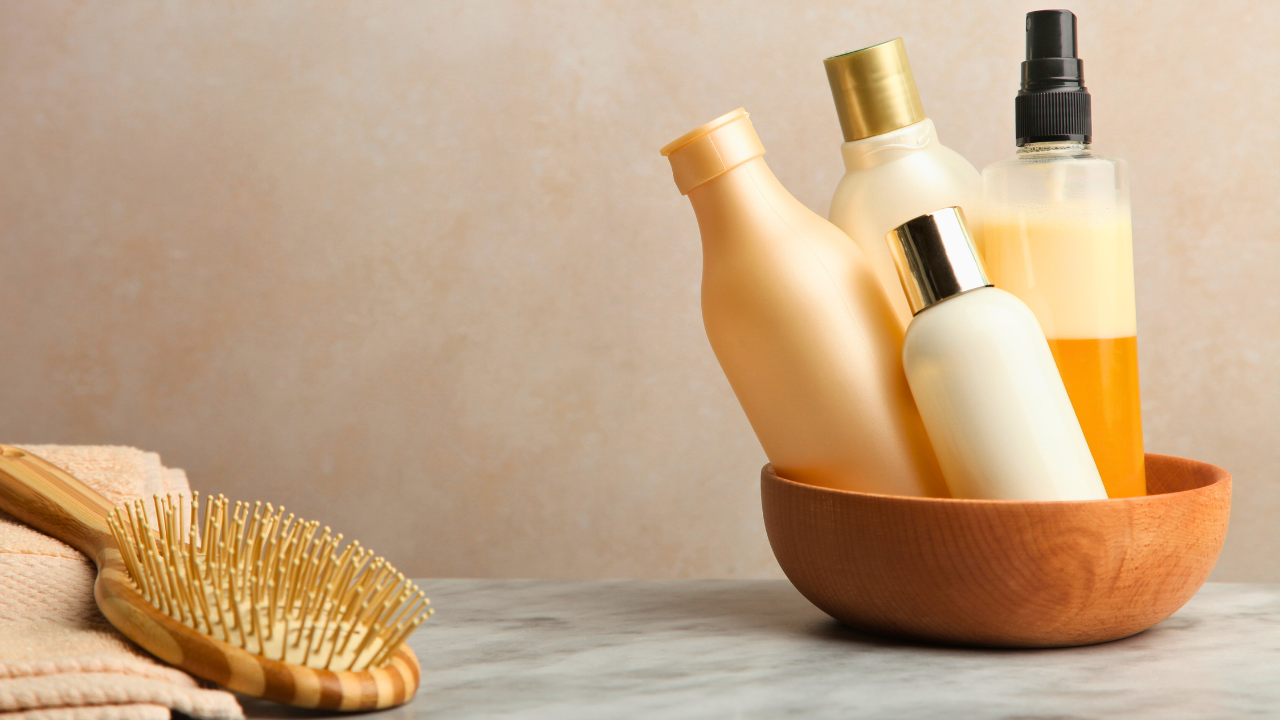
“Hair dye shampoo” is kind of an umbrella term. Not every bottle does the same thing, so choosing the right one matters.🎯
Semi-Permanent Color Depositing Shampoos
These refresh faded color or add a fun tint. Think red, copper, brown, pink, blue, purple, or pastel shades. 🎨✨
They’re great for color-treated hair, especially fashion colors that fade fast. Red, pink, purple, and blue shades usually lose vibrancy quicker than natural browns or blacks, so a color-depositing shampoo can help keep them looking fresh. 💁🌈
Gray Coverage and Gray Blending Shampoos
These are usually darker, pigment-heavy formulas made to blend or cover gray hair gradually.🎨
Real talk: they don’t always give full gray coverage. Gray hair can be coarser, drier, and more resistant to color, so stubborn gray hair may still show through. A dye shampoo can make grays look softer and less noticeable, but salon color is usually better for complete coverage.⚠️
Still, for low-maintenance gray coverage between appointments, I think they’re worth trying.✨
Toning Shampoos
Toning shampoos are all about fixing unwanted tones. This is basically color theory in a bottle. 🎨
Purple shampoo helps with yellow tones.💜
Blue shampoo helps with orange tones.🔵
Green shampoo helps with red tones.🟢
3-in-1 Dye Shampoos
These usually cleanse, deposit color, and condition at the same time. They’re great if you want a simple routine without too many steps.✨
Some formulas also include conditioning ingredients like argan oil, coconut oil, shea butter, botanical oils, or proteins to help keep hair soft, silky, and shiny.💆🌿
Natural Hair Dye Shampoos
Natural hair dye shampoos often use plant-based ingredients and may avoid harsh chemicals like ammonia and peroxide. For people with sensitive skin or allergies, they can feel like a safer alternative.🌿
But “natural” doesn’t always mean irritation-free. Some people still react to botanical ingredients, fragrance, or dye components. Always patch test and check the full ingredient list.⚠️
Also, some mass-market hair dye shampoos may include stronger dye ingredients or potential irritants like trihydroxybenzene, also called THB, depending on the formula. That doesn’t mean every product is automatically bad, but it does mean the ingredient list matters, especially if your scalp or skin is sensitive.🧴
Who Should Use Hair Dye Shampoo?

Hair dye shampoo is great for anyone who wants easier color maintenance. I’d recommend it for people with color-treated hair, natural grays, highlights, balayage, bleached hair, red hair, brunette brassiness, silver hair, or fashion colors.✨🎨🧴
For Color-Treated Hair
If your salon color looks amazing for two weeks and then slowly turns meh, hair dye shampoo helps. It can revive faded color, add shine, and keep your shade looking fresh between appointments.✨
Color-depositing shampoos usually work best on color-treated hair because it often grabs pigment better.🎨
For Gray Hair
Gray hair tends to be drier, and sometimes more coarse, so moisturizing formulas are important. Look for shampoos with conditioner-like benefits or ingredients like argan oil, coconut oil, or shea butter.💧✨
A gray-blending dye shampoo can help soften grays, but I wouldn’t expect perfect full gray coverage on the first try. Stubborn gray hair usually needs more processing time, repeated use, or traditional hair color.⏳🎨
For Blondes, Brunettes, Reds, and Fashion Colors
Different hair colors need different pigments:
-
Blondes usually need purple shampoo for yellow tones.💜✨
-
Brunettes often need blue or green shampoo for orange or red warmth.🔵🟢
-
Red hair can benefit from red color-depositing shampoo to boost vibrancy.❤️🔥
-
Fashion colors need matching pigment shampoos to refresh bold shades.🎨🌈
-
Silver hair and white hair usually look brighter with purple or silver shampoo.💜⚪
Basically, if your hair color shifts into a tone you didn’t ask for, there’s probably a shampoo for that lol.😉
Benefits of Hair Dye Shampoo

Color-depositing shampoos are popular because it fits into something you already do: washing your hair. No bowl, brush, developer, or complicated salon setup.🧴✨
It Saves Time
A full dye job can take a while. Hair dye shampoo is usually quick. You wet your hair, apply evenly, wait for the processing time on the bottle, rinse, and condition. For busy people, this is the beauty of it. Low effort, decent payoff.⏳✨
It Refreshes Faded Color
Hair color fades from washing, heat, sun, hard water, styling, and just life in general. A color-depositing shampoo can bring back richness and vibrancy before your color looks totally washed out.✨🎨
It Helps Neutralize Brassiness
Brassiness is that annoying warm tone that randomly shows up when you didn’t invite it. Blonde can go yellow, brunette can go orange, and gray or silver hair can start looking dull.🌞
The right pigment shampoo helps balance the tone and make hair look cleaner, cooler, and brighter.❄️✨
It Can Be Gentler Than Traditional Dye
Many hair dye shampoos are made for maintenance, not major color changes. Some are ammonia-free, peroxide-free, sulfate-free, or cruelty-free. Many also include super-hydrating ingredients to help keep hair soft and shiny.💧✨
Still, gentle doesn’t mean zero risk. If your scalp is sensitive, patch test first.⚠️
It Extends Time Between Salon Visits
This is the biggest win in my opinion. Hair dye shampoo helps maintain your color so you don’t feel like you need to run back to the salon every time your hair color fades. 💇✨
It won’t replace your stylist, but it can stretch the time between appointments. ⏳🛋️
Things to Know Before Using Hair Dye Shampoo

Hair dye shampoo is easy, but you’ll get better results if you know what it can and can’t do.✨
It Won’t Always Replace Permanent Dye
If you want full gray coverage, a huge color correction, or a dramatic change, this probably won’t be enough.⚠️
Hair dye shampoo is best for refreshing, toning, blending, and maintaining. Traditional hair dye is better for complete transformations and long-lasting color.🎨
Your Starting Color Matters
Your base shade changes everything. A pastel dye shampoo may show up beautifully on blonde hair but barely appear on dark brown hair. A gray-darkening shampoo may show more on white hair or silver hair than on already-dark hair.🎭
Same product, different result.🔄
Hair Porosity Matters
Bleached hair, dry hair, damaged hair, and highlighted hair usually grab pigment faster. That can be good, but it can also lead to patchy or overly strong color if you leave color-depositing shampoo on too long.⏳
Start slow. You can always build color, but removing too much pigment is annoying.😖
Patch Testing Still Matters
Even though it’s “just shampoo,” it can still irritate your scalp or skin. Patch test first, especially if you have allergies, eczema, sensitive skin, or a reactive scalp.⚠️
Trust me, a strand test is way better than a surprise purple patch on your ends 😭🧴
How to Choose the Right Hair Dye Shampoo

Choosing the right color-depositing shampoo isn’t just about grabbing your favorite shade. You need to match it to your hair color, hair types, hair condition, and goal.🎯✨
Start With Your Base Color
Here’s the easy cheat sheet:
-
Blonde, highlighted, gray, silver, or white hair → purple or silver shampoo.💜✨
-
Brunette with orange tones → blue shampoo.🔵
-
Dark brown with red tones → green shampoo.🟢
-
Red hair → red or copper depositing shampoo.❤️🔥
-
Light brown hair → soft brown or warm brunette shade.🤎
-
Dark brown hair with grays → brown or black gray-blending shampoo.🖤
For gray coverage, stay close to your natural color. Going too dark too fast can look harsh.⚠️
Decide What Result You Want
Ask yourself what you actually need:
-
Subtle maintenance → light color depositing shampoo.✨
-
Brassiness control → purple, blue, or green shampoo.💜🔵🟢
-
Gray blending → deeper pigment formula.🎨
-
Bold color refresh → stronger color depositing shampoo.🌈
-
Softer hair → hydrating formula with conditioner benefits.💧
The more visible the change you want, the more pigment you’ll need.🎯
Look at Key Ingredients
If your hair is dry, damaged, or rough, look for ingredients like:
-
Argan oil 🌰
-
Coconut oil 🥥
-
Shea butter 🧈
-
Glycerin 💧
-
Aloe 🌿
-
Proteins 🧬
-
Botanical oils 🌸
These can help make hair soft, shiny, silky, and healthier-looking. ✨
For color-treated hair, I’d look for sulfate-free formulas. For sensitive skin, avoid heavy fragrance when possible and read the ingredient list carefully. 🧐
Check the Shade Range and Bottle Details
Shade range matters. A light brown, dark brown, cool brown, and warm brown can all look different once they hit your hair.🎨
Also, check the bottle size in fl oz, processing time, directions, and whether it’s cruelty-free, sulfate-free, or safe for color-treated hair.📏⏳🐰
Don’t just vibe with the packaging. Pretty bottles lie sometimes 😅🧐
How to Use Hair Dye Shampoo
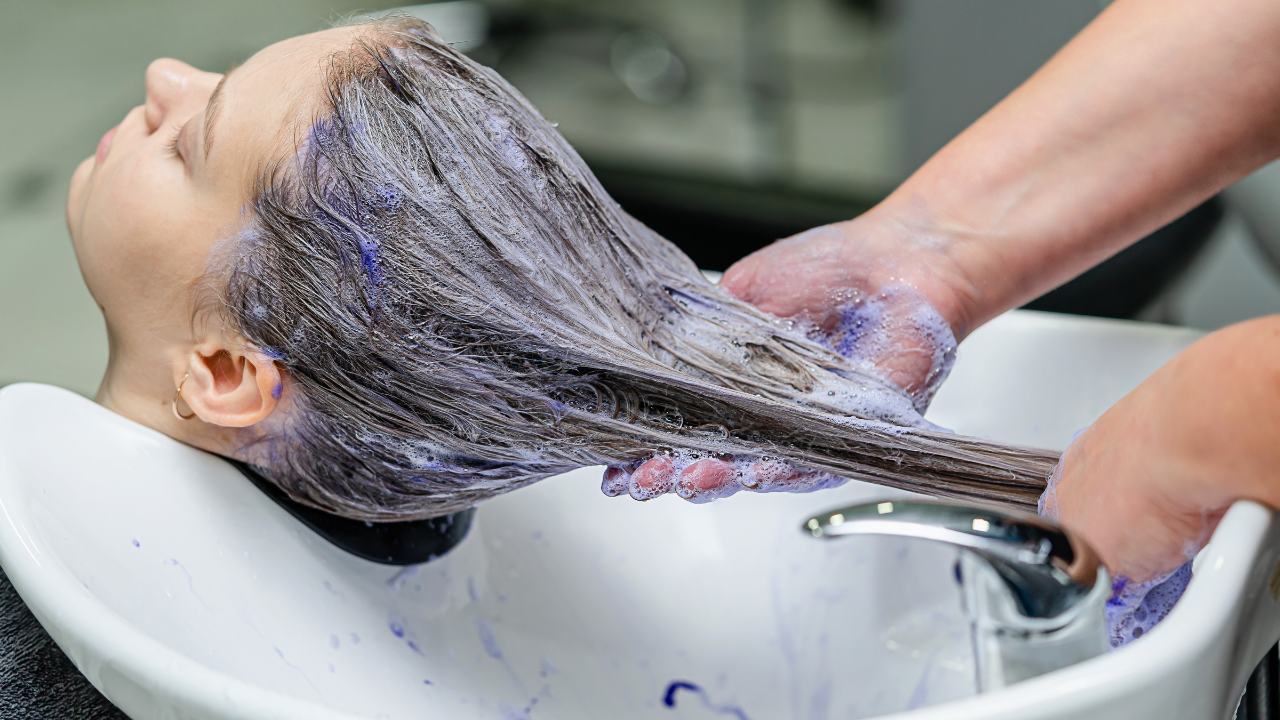
Using hair dye shampoo is simple, but application matters.✨
Step 1: Choose the Right Shade
Match the shampoo to your goal. Purple for yellow tones, blue for orange, green for red, brown or black for gray blending, and matching pigment for fashion colors.🎨
Step 2: Wet Hair and Wear Gloves
Wet your hair, squeeze out extra water, and put on gloves. Pigmented shampoo can stain your hands, nails, towels, and shower.🧤
Step 3: Apply Evenly
Apply evenly from roots to ends, focusing on problem areas. For gray blending, focus on the roots, temples, and hairline. For blonde brassiness, focus on the yellow areas.🎯
If your hair is thick, long, curly, or dense, section it and use your fingers or a brush/wide-tooth comb to spread the product. Uneven application can cause patchy color.⚠️
Step 4: Follow the Processing Time
Leave it on for the time listed on the bottle. Some formulas need only a few minutes, while others need longer.⏳
Start with less time the first wash. You can always use it again, but over-toned hair is a pain.🙅
Step 5: Rinse and Condition
Rinse with lukewarm water until the water runs clear. Hot water can fade color faster and make hair feel drier.💧
Finish with conditioner, especially if your hair is dry, gray, bleached, or color-treated. Soft hair makes color look better. Period.✨
Best Hair Dye Shampoos

For Bold Fashion Color
Schwarzkopf Bold Color Wash is great for refreshing vibrant shades like red, pink, purple, and blue. It’s good when your fashion color starts fading but you’re not ready for a full dye session.🎨✨
For Gray Hair and Darkening
Kurobara Kurozome Black Dye Shampoo is made for gradual darkening and gray blending. It’s more of a natural build-up effect than a one-wash transformation.🖤🌿
MODAMODA Pro-Change Black Shampoo is another low-maintenance option for subtle darkening over time.🕶️⏳
These are nice if you want softer gray coverage, but for stubborn gray hair or full gray coverage, traditional dye may still work better.⚠️💇
For Brunettes
L’Oréal Professionnel Chroma Crème Green Shampoo is good for brunettes dealing with unwanted red tones. If your dark brown hair starts looking rusty or too warm, green helps balance it.🍃🔄
Blue shampoo is better when your brunette hair looks orange or brassy.🔵🔥
For Blondes, Silver, and Gray Hair
Redken Color Extend Blondage Shampoo is a classic purple shampoo for blonde, highlighted, balayage, gray, silver, or white hair.💜❄️
John Frieda also has popular purple and brunette tone-enhancing shampoos for easy at-home maintenance.🏠✨
Just don’t leave purple shampoo on too long, especially on bleached hair, unless you’re okay with a slightly lavender situation.⏰💜
For Color Maintenance
Keracolor Color + Clenditioner is a color-depositing conditioner that refreshes tone while helping hair feel soft.💧🌈
Goldwell Elumen Color Shampoo is good for maintaining Elumen-colored hair so it stays glossy and vibrant.💎✨
Common Mistakes to Avoid

Hair dye shampoo is beginner-friendly, but a few mistakes can mess up the final result.✨
Using the Wrong Tone
Purple cancels yellow. Blue cancels orange. Green cancels red.🎨
Using the wrong tone can make hair look muddy or weird instead of fresh.😕
Leaving It on Too Long
More time does not always mean better color. On porous, bleached, or dry hair, pigment can grab too fast and look uneven.⏳
Follow the bottle. Start slow.🐢
Expecting Permanent Results
Hair dye shampoo fades. That’s the point. It’s for maintenance, not a forever transformation.⏰
Expecting Perfect Gray Coverage
Hair dye shampoo can cover gray hair softly or blend grays, but stubborn gray hair may resist color. For complete full gray coverage, salon color or traditional dye is usually more reliable.⚠️
Skipping Gloves
Don’t. Strong pigments can stain your skin, hands, nails, and shower.🧤
Not Applying Thoroughly
Patchy application = patchy color. Apply evenly, especially around roots, temples, and the hairline.🎯
Using It Too Often
Using color-depositing shampoo too much can make hair look dull, too dark, too cool, or slightly stained. Start once a week and adjust.🔄
Hair Dye Shampoo Maintenance Tips
Once you find the right shampoo, consistency is everything.✨
Use it on a schedule. You don’t need it every wash. Start once a week, then adjust based on how fast your color fades.📅
Alternate with regular shampoo or color-safe shampoo. This helps maintain color without overloading your hair with pigment.🔄
Keep hair hydrated. Use conditioner, masks, and moisturizing products if your ends feel dry. Healthy hair holds tone more evenly and looks shinier.💧
Avoid very hot water. Lukewarm water helps color last longer and keeps hair from feeling rough.🚿
Use clarifying shampoo carefully. It removes buildup, but it can also strip color. Use it only when needed.⚠️
Summary
Hair dye shampoo is an easy way to refresh color, tone brassiness, blend gray, brighten silver, or maintain bold shades between salon visits. It’s not a full replacement for permanent dye but a practical option for low-maintenance color care. Simply pick the right shade, wet hair, wear gloves, apply evenly, wait the processing time, rinse, and condition. Results depend on your starting color, hair type, porosity, and formula. It enhances color-treated hair’s shine and vibrancy but may not fully cover stubborn gray hair. Many formulas avoid harsh chemicals like ammonia and peroxide, yet patch testing and ingredient checks are important. Hair color doesn’t have to be complicated; sometimes, it starts with shampoo.
Frequently Asked Questions
Does hair dye shampoo really work?
Yes, but results depend on your hair color, hair types, porosity, and how often you use it. It works best for refreshing color, toning brassiness, adding temporary pigment, and softly blending grays.
How do I know if the shampoo worked?
You’ll usually notice your tone looks cleaner, your color looks richer, or your grays look softer. Sometimes the shampoo worked after one wash, but darker gray-blending formulas may need a few uses.
Can hair dye shampoo cover gray hair?
It can help cover gray hair or blend grays, especially with brown or black formulas, but it may not give full gray coverage on stubborn gray hair. For complete coverage, traditional hair color is usually better.
How long does hair dye shampoo last?
Most results fade after a few washes. Stronger semi-permanent formulas may last longer, sometimes several weeks, but shampoo-based color usually fades faster than traditional dye.
Is hair dye shampoo damaging?
Usually, it can be gentler than permanent dye because many formulas avoid ammonia and peroxide. But it still depends on the formula, your scalp, and your hair condition. Always patch test.
Can I use hair dye shampoo on bleached hair?
Yes, but be careful. Bleached hair grabs pigment fast and can stain unevenly. Start with a shorter processing time and rinse well.
Can I use hair dye shampoo instead of regular shampoo?
Sometimes, but I wouldn’t use it every wash unless the bottle says to. Alternate it with regular shampoo or color-safe shampoo to avoid pigment buildup.
Should I use conditioner after hair dye shampoo?
Yes, especially if your hair is dry, gray, bleached, or color-treated. Conditioner keeps hair soft, silky, and shiny, which makes the color look better, too.


